
Visiting Mom After the Move to Memory Care: Finding a New Rhythm Together

It has been nearly two months since Kimberly moved her mother, Georgia, into Memory Care. The decision came after an elopement, increased falls, and the weight of caregiver burnout. It wasn’t easy. But now, with time and support, things are beginning to settle.
Georgia is finding her rhythm. With consistent routines and support from her care team, her days feel calmer. Evenings that once felt overwhelming have softened. And Kimberly is starting to find her footing again, not just as a caregiver, but as a daughter.
Still, one question lingers: What do visits look like now?
Giving Mom Time to Adjust
In the beginning, Kimberly wasn’t sure how often she should visit. Some people say to wait, to give your loved one time to fully adjust. Others encourage families to stay closely involved right away. The truth is, it depends on the person. Kimberly found a balance. She stayed present, but also gave Georgia space to settle in, build new routines, and get comfortable in her new environment.
When Visits Feel Different
Visits aren’t what they used to be. Some days, Georgia is talkative and engaged. Other days, she is quieter or repeats herself. That shift can be hard to accept. But over time, Kimberly begins to see it differently. Visits are not about doing anymore. They are about being together.
Follow Her Lead
Kimberly has learned to walk into each visit with flexibility. On good days, they might take a walk, chat for a bit, or join an activity. On quieter days, they sit side by side, holding hands, not needing to say much at all. Letting Georgia lead through her energy and mood has taken the pressure off. Visits feel more natural this way, and more peaceful too.
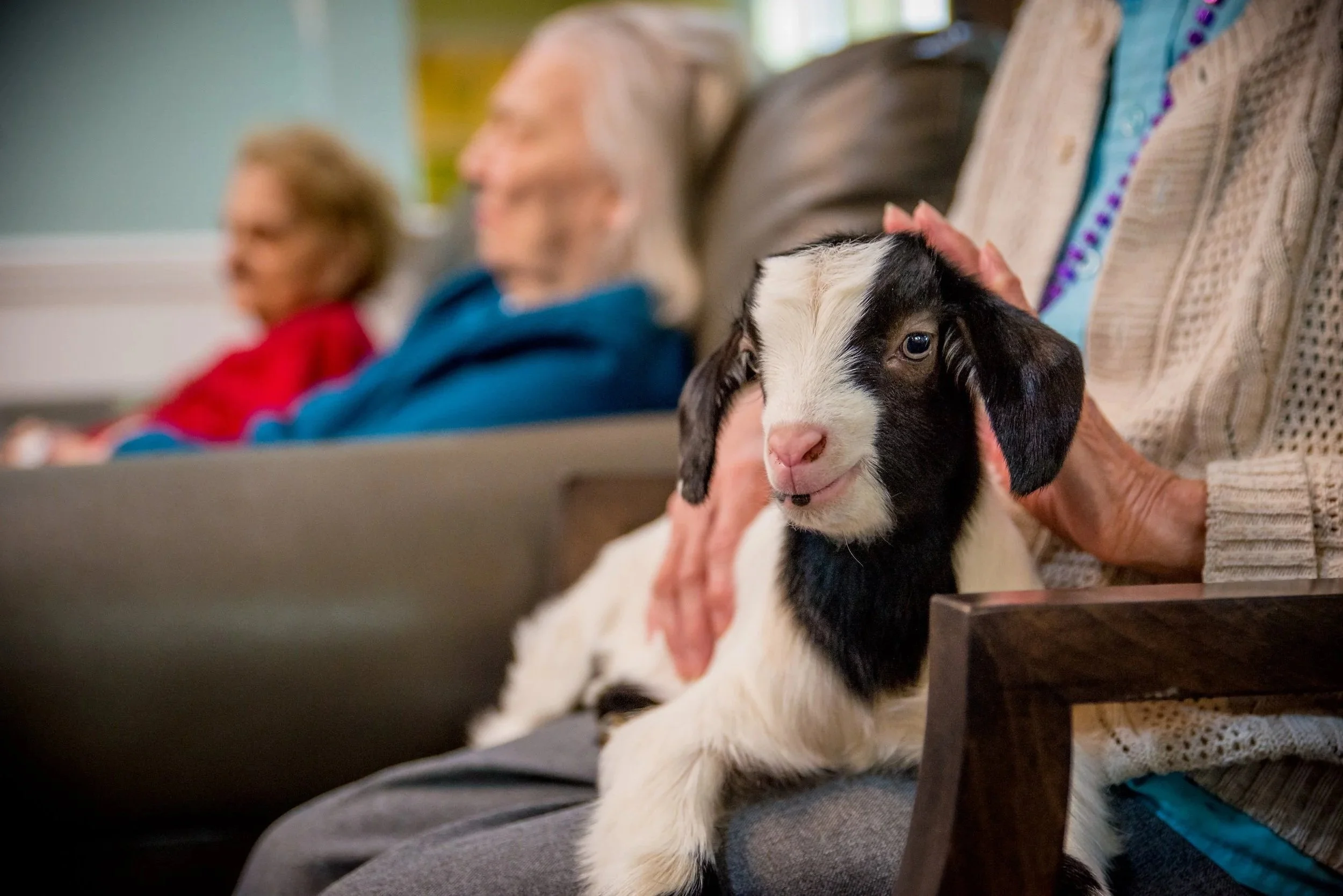
Keep It Simple and Positive
Some of the best visits are the simplest ones.
Looking through photo albums
Listening to favorite songs
Sharing a snack or a cup of coffee
Sitting together during an activity
These moments may seem small, but they matter. Connection now comes through comfort and familiarity. Georgia may not remember every detail, but she remembers how she feels.
Work With the Care Team
One of the biggest shifts for Kimberly has been realizing she is not doing this alone anymore. The care team knows Georgia’s routines, what she enjoys, and when she tends to feel her best. They can help guide when to visit and what might make those visits easier. That support makes a huge difference.
Be Gentle with Yourself
Even as things improve, the emotions do not just disappear. There are still moments of guilt. Moments of grief. Moments that catch Kimberly off guard. Showing up matters, but so does taking care of yourself. Some visits may be shorter. Some days, you may need a little space. That does not mean you are doing anything wrong. It means you are human.
Before Memory Care, Kimberly carried the responsibility of caregiving every day. Now, she has the space to just be with her mom. Their relationship has not disappeared. It has changed. It feels lighter in some ways. Less about managing everything, and more about simply being present.
The Moments That Matter Most
Georgia may not remember names, timelines, or details. But she feels warmth. She recognizes kindness. She responds to love. And that is what stays with her. Each visit, each smile, each quiet moment together leaves something lasting behind.

Closing This Chapter
The move to Memory Care was not the end of Kimberly and Georgia’s story. It was a turning point. There are still hard days, but there is also peace, support, and even moments of joy. And for Kimberly, something she thought she was losing has been given back to her in a different way.
Time with her mom.
At Inspirations, we walk alongside families through every chapter of this journey, helping create moments that still matter.