
Welcoming Spring: Helping Loved Ones with Dementia Navigate Seasonal Transitions
Seasonal changes can affect seniors with dementia differently than they affect those without memory loss.
As winter fades and spring begins, longer days, warmer weather, and shifting routines can sometimes feel confusing or even overwhelming. For individuals who spend most of their time indoors, the change may feel sudden rather than gradual.
With the right approach, however, spring can become a season filled with comfort, familiarity, and meaningful moments.
Here are a few simple ways to help your loved one adjust with ease.

Keep Routines Consistent While Gently Introducing Change
Routine plays a vital role in helping individuals with dementia feel secure.
Even as the seasons change, keeping daily habits consistent can reduce confusion and anxiety.
Maintain regular mealtimes to help provide structure throughout the day
Keep bedtime routines steady, even as daylight lasts longer
Avoid overloading the schedule with too many outings or new activities
Spring brings many opportunities to get out and enjoy the weather, but it is best to introduce those experiences gradually. A short visit outdoors, a stroll around the courtyard, or a quiet moment on a patio can go a long way without disrupting the day.
Introduce the Season Through Familiar Senses
Instead of relying on explanations, allow your loved one to experience the season in natural and familiar ways.
Small sensory changes can make a big impact:
Place fresh flowers in their room to introduce color and scent
Open windows on mild days to let in fresh air and the sounds of nature
Add seasonal decorations such as soft pastels, birds, or floral accents
If your loved one has a favorite flower, scent, or spring tradition, incorporate it. Familiar details often create stronger connections than something entirely new.
Encourage Meaningful, Low-Stress Activities
Activities should feel comfortable and purposeful. Spring is a great time to revisit hobbies and traditions that bring a sense of joy and familiarity.
Indoor Activities That Prepare for Spring
Indoor activities can help ease the transition while maintaining a sense of routine:
Arranging flowers or simple indoor gardening
Preparing items for outdoor games or seasonal gatherings
Reading spring-themed stories or looking through photo albums
Creating crafts like bird-themed art or wind chimes
These activities can help spark memories and create positive associations with the season.
Even small traditions, like making a family-favorite root beer float on hot afternoons, can be meaningful.
Outdoor Activities for Warmer Days
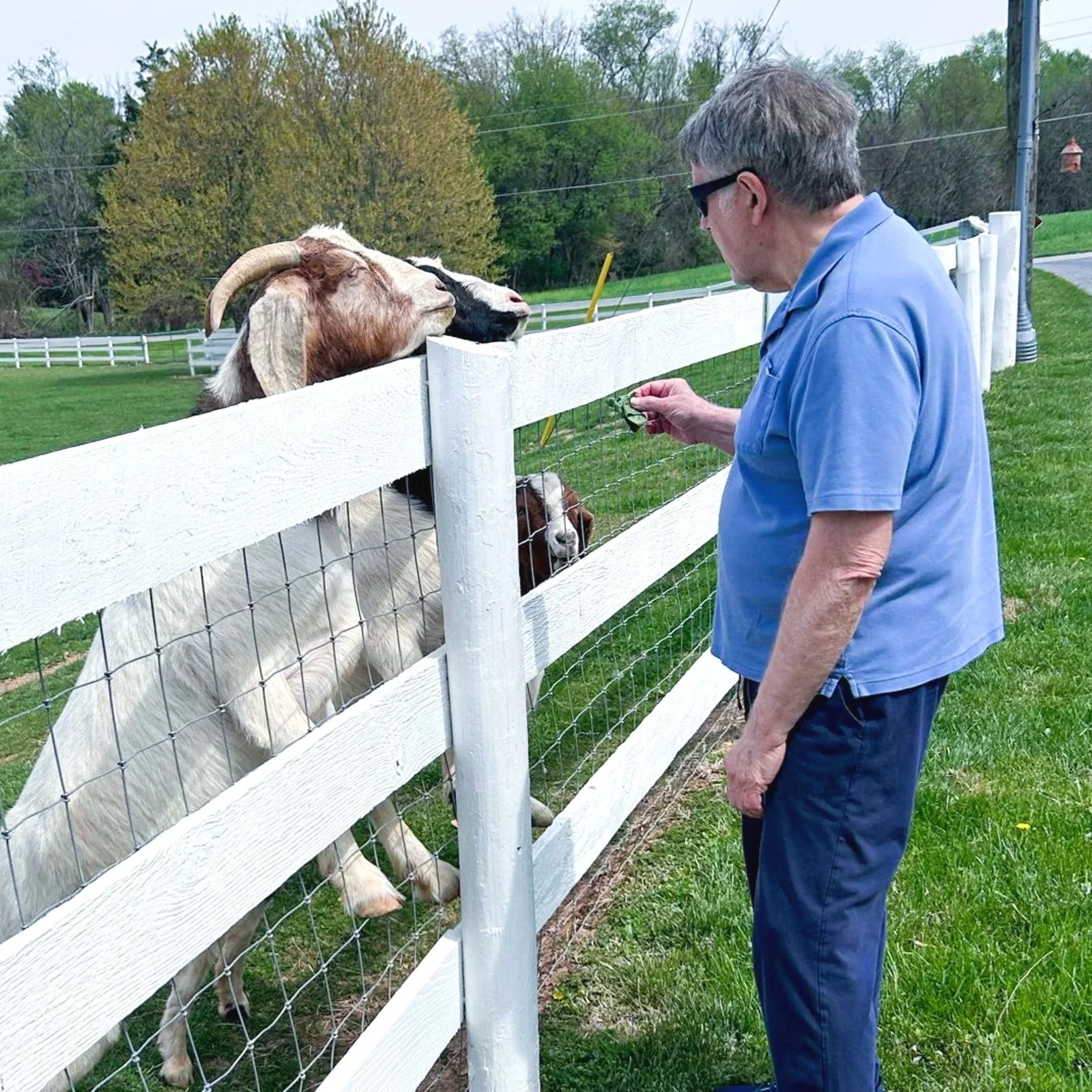
As the weather improves and your loved one becomes more comfortable with the seasonal shift, spending time outdoors can be both calming and uplifting.
Simple ideas include:
Taking short, supervised walks in shaded areas
Sitting together in a garden or on a patio
Watering plants or helping with light gardening tasks, like refilling bird feeders
Watching birds or enjoying quiet time outside
Focus on comfort and safety by choosing spaces with shade, seating, and easy access to rest.
A Season of Renewal and Connection
Spring is a time of growth and renewal. With a thoughtful approach, it can also be a time of connection for your loved one with dementia.
By keeping routines steady, gradually introducing seasonal elements, and focusing on meaningful activities, you can help create a calm and positive transition for your loved one.
At Inspirations, we are here to support families through every season. Our goal is to create an environment where residents feel comfortable, engaged, and connected each day.
Activity Walkthrough: Peanut Butter Bird Feeders
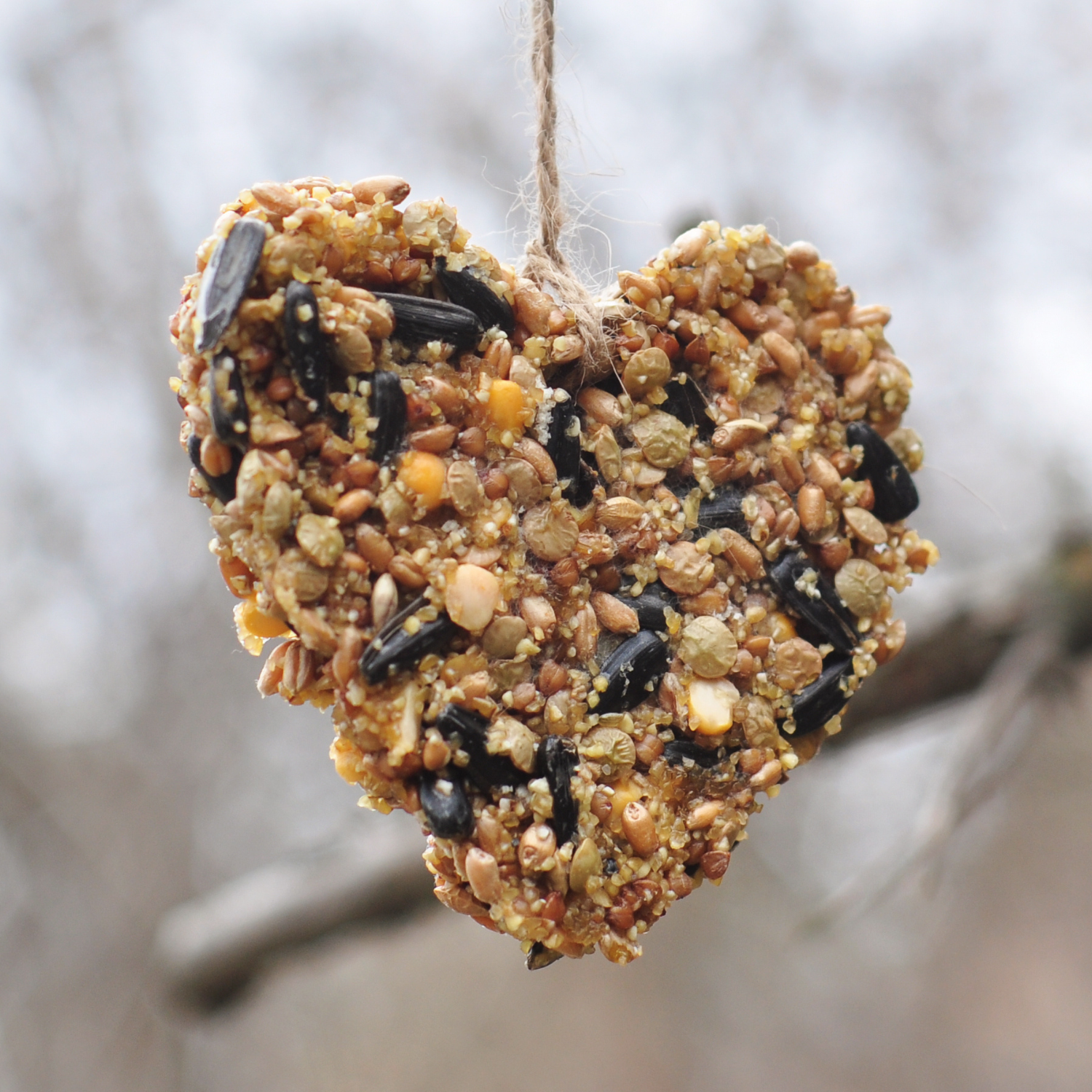
Bird feeders are a great way to encourage outdoor trips and strolls. Here’s a quick activity you can do either at home or in your community.
What you will need:
A pinecone, a cardboard toilet paper roll, or a piece of stale/burnt bread
Peanut butter, either crunchy or smooth
A plate for preparing the bird feeder
A butter knife or spoon
Bird seeds, seeds, cornmeal, fried fruit, mealworms, and any other bird feed you’d like to feed your local birds
A piece of yarn or string
With your loved one’s help, mix the bird feed you’d like to use into one on the plate. We recommend doing this first, so it can be set aside until the peanut butter bases are finished. Aviaries also recommend using cornmeal in the spring and summer to support local wildlife.
Next, using your butter knife or spoon, cover the pinecone, toilet paper roll, or piece of stale bread in peanut butter. Make sure that the coating is thick enough to collect the bird feed.
Once completely covered in peanut butter, have your loved one roll and spread bird feed over the peanut butter areas. This can be messy, so prepare to have wet wipes, paper towels, or a sink avaliable once done.
After the bird feed is attached to the peanut butter, place it in the fridge to cool. You want it to be cold enough that the peanut butter doesn’t slip off right away, but not completely frozen, so about one to two hours in the fridge.
Once out of the fridge, put on your string and hang it up outside. We recommend choosing a place where your loved one can see from the windows, but has enough space that birds feel free to come and go.